
Structural & Foundation Assessments: Cracks, Settlement, Slab-on-Grade, Pier & Beam, and PE-Sealed Reports
Learn when to schedule a structural or foundation assessment, what a licensed Professional Engineer evaluates, and when a PE-sealed report may be needed for cracks, settlement, slab-on-grade, pier and beam foundations, real estate, repairs, or permits.
Structural and Foundation Problems Should Not Be Left to Guesswork
Cracks, uneven floors, sticking doors, foundation movement, and visible settlement can raise serious questions for homeowners, buyers, sellers, realtors, contractors, and property investors. Some cracks are minor and cosmetic, while others may indicate movement, distress, poor drainage, soil-related issues, or structural concerns that need professional review.
A Structural & Foundation Assessment provides a clearer understanding of what is happening and whether further action may be needed. At PEI Engineering, these assessments are performed by licensed Professional Engineers (PEs) with structural engineering experience. Our role is to observe, evaluate, and provide professional findings based on the visible conditions of the property.
When required, we can also provide a PE-sealed engineering report or letter documenting our findings and recommendations.
What Is a Structural & Foundation Assessment?
A structural and foundation assessment is an engineering-level review of specific structural concerns in a home or building. Unlike a general home inspection, which provides a broad visual review of the entire property, a structural assessment focuses on the integrity and performance of structural components.
This may include evaluation of:
Foundation movement or settlement
Cracks in brick, stucco, drywall, slabs, or foundation walls
Sloping or uneven floors
Pier and beam foundation concerns
Slab-on-grade foundation issues
Framing distress or sagging members
Load-bearing wall concerns
Water intrusion or drainage-related structural effects
Foundation repair verification
Structural concerns discovered during a real estate transaction
The goal is to identify what may be causing the concern, whether the condition appears significant, and what the next appropriate steps should be.
Common Signs That May Require a Structural Assessment
Not every crack means structural failure, but certain signs should not be ignored. A structural assessment may be appropriate when you notice one or more of the following:
Foundation or Masonry Cracks
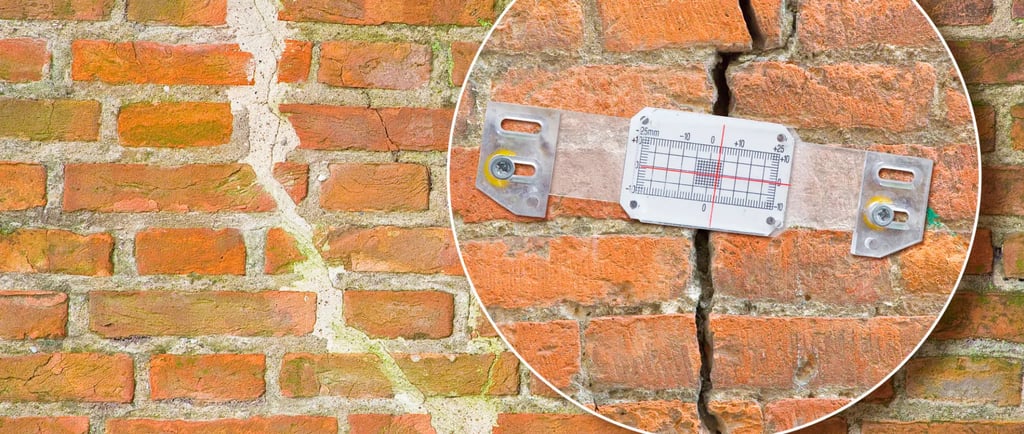
Cracks in brick veneer, exterior walls, foundation walls, or concrete slabs may be caused by normal shrinkage, thermal movement, soil movement, drainage issues, settlement, or structural distress. The pattern, width, direction, and location of cracking all matter.
Interior Drywall Cracks
Cracks around doors, windows, ceiling corners, or along wall intersections can sometimes indicate movement in the framing or foundation. Repeated cracking after repairs can be especially important to evaluate.
Uneven or Sloping Floors
Floors that slope, dip, bounce, or feel uneven may point to framing issues, foundation movement, crawlspace deterioration, or long-term settlement.
Doors and Windows That Stick
Doors and windows that suddenly stop closing properly may be a sign of seasonal movement, poor installation, or shifting in the structure.
Pier and Beam Problems
Pier and beam homes may experience issues such as deteriorated beams, damaged joists, poor crawlspace ventilation, moisture-related wood damage, inadequate supports, or settlement of piers.
Slab-on-Grade Movement
Slab-on-grade homes can be affected by expansive soils, poor drainage, plumbing leaks, tree roots, moisture variation, or inadequate soil preparation. Signs may include floor cracks, tile cracks, brick cracks, and misaligned doors.
Water or Drainage Issues
Water ponding near the foundation, poor grading, roof runoff, clogged gutters, or drainage problems can contribute to soil movement and foundation distress over time.
Slab-on-Grade vs. Pier and Beam Foundations
Different foundation types behave differently, and each has its own common concerns.
Slab-on-Grade Foundations
A slab-on-grade foundation is a concrete slab poured directly over prepared soil. These foundations are common in many residential and commercial buildings. When issues occur, they may be related to soil movement, moisture changes, poor drainage, plumbing leaks, or settlement.
Common concerns include:
Cracks in the slab or floor finishes
Cracks in brick or exterior walls
Doors or windows out of alignment
Uneven floors
Separation at trim, walls, or ceilings
Drainage patterns affecting the foundation area
Pier and Beam Foundations
Pier and beam foundations include elevated framing supported by piers, beams, and floor joists. These systems provide access below the structure, but they can be affected by moisture, wood deterioration, poor ventilation, undersized members, inadequate supports, or shifting piers.
Common concerns include:
Sagging or bouncy floors
Wood rot or moisture damage
Cracked or leaning piers
Uneven support spacing
Damaged beams or joists
Crawlspace drainage or ventilation problems
A proper assessment considers the type of foundation, visible symptoms, site conditions, and how the structure appears to be performing.
When Is a PE-Sealed Engineering Letter or Report Needed?
A PE-sealed report may be requested when a professional engineering opinion is needed for documentation, permitting, real estate, insurance, or contractor decision-making.
Common situations include:
A buyer or seller needs documentation during a real estate transaction
A home inspector recommends review by a Professional Engineer
A contractor needs engineering direction before repairs
A city or permitting office requests structural documentation
A lender, insurance company, or property owner requests a professional opinion
Cracking, settlement, or movement needs to be evaluated before repair work
Foundation repairs were completed and need review or verification
Structural concerns exist before remodeling, additions, or wall removal
A PE-sealed report typically includes the observed conditions, engineering findings, conclusions, and recommendations when applicable.
What Happens During a Structural & Foundation Assessment?
Every project is different, but a typical assessment may include:
1. Review of the Concern
We begin by understanding what prompted the assessment. This may include cracks, movement, repair recommendations, inspection findings, contractor concerns, real estate issues, or permitting requirements.
2. Visual Site Evaluation
A licensed PE observes accessible areas related to the concern. This may include exterior walls, interior finishes, attic areas, crawlspaces, foundation elements, framing, drainage conditions, or other visible structural components.
3. Documentation
Photos, measurements, notes, and visible conditions may be documented to support the assessment.
4. Engineering Judgment
The observed conditions are reviewed using engineering experience and professional judgment. The goal is to determine whether the condition appears minor, needs monitoring, requires repair, or warrants further specialized investigation.
5. Written Findings
When requested or required, PEI Engineering can provide a written engineering letter or report summarizing findings and recommendations.
Structural Assessment vs. General Home Inspection
A general home inspection is broad. It reviews many parts of a home, including roofing, HVAC, electrical, plumbing, interior, exterior, attic, garage, and visible structural components.
A structural assessment is more focused. It is intended to evaluate a specific structural or foundation concern in more detail.
For example:
A home inspection may note:
“Cracking observed at exterior brick. Recommend evaluation by a licensed Professional Engineer.”
A structural assessment may evaluate the crack pattern, visible movement, foundation type, drainage conditions, and related symptoms, then provide engineering findings and recommendations.
Both services are valuable, but they serve different purposes.
Do Cracks Always Mean Foundation Failure?
No. Cracks can occur for many reasons, and not all of them indicate a serious structural problem. Some cracks may be related to normal material movement, shrinkage, minor settlement, or cosmetic issues.
However, cracks should be evaluated when they are:
Large or widening
Stair-step shaped in masonry
Repeatedly repaired but returning
Associated with sloping floors or sticking doors
Near structural supports or openings
Accompanied by water intrusion
Found in multiple areas of the building
Connected to visible foundation movement
The value of a structural assessment is that it helps separate minor concerns from issues that may require repair, monitoring, or further investigation.
What Should You Prepare Before the Assessment?
To help make the evaluation more effective, it is helpful to provide:
Photos of the concern
Any previous inspection reports
Foundation repair proposals or repair history
Architectural or structural drawings, if available
Information about recent renovations or additions
Details about when the issue was first noticed
Any changes in drainage, grading, or plumbing history
This background information can help the engineer understand the full context of the issue.
When Repairs Are Needed
If repair work is recommended, the next step depends on the type and severity of the issue. Some situations may require monitoring, maintenance, drainage correction, foundation repair, framing repairs, or a separate structural design.
Examples may include:
Improving drainage around the foundation
Repairing damaged framing
Adding or replacing supports in crawlspaces
Designing beams, posts, or footings
Reviewing foundation repair recommendations
Preparing structural details for permitting
A structural assessment helps determine the appropriate direction before money is spent on unnecessary or incomplete repairs.
Professional Structural Guidance You Can Rely On
Structural and foundation concerns can be stressful, especially during a real estate transaction, remodel, repair project, or insurance review. The right engineering assessment helps bring clarity to the situation.
At PEI Engineering, we provide Structural & Foundation Assessments for residential and commercial properties, including slab-on-grade foundations, pier and beam foundations, cracking, settlement, structural movement, and PE-sealed engineering reports when required.
Whether you are a homeowner, buyer, seller, realtor, investor, or contractor, our goal is to provide clear findings, practical recommendations, and professional documentation you can trust.
Need a Structural or Foundation Assessment?
If you are seeing cracks, settlement, movement, uneven floors, crawlspace issues, or other structural concerns, contact PEI Engineering to schedule a professional assessment.
PEI Engineering PLLC
Structural • Civil • MEP • Inspections
Phone: 918-600-8798
Website: www.peiengineering.com
FAQ
What is the difference between a foundation inspection and a structural assessment?
A foundation inspection may focus only on the foundation condition, while a structural assessment may consider the broader structural system, including framing, walls, floors, supports, drainage effects, and visible movement patterns.
Can you provide a PE-sealed letter?
Yes. When appropriate, PEI Engineering can provide PE-sealed engineering letters or reports documenting findings and recommendations.
Do I need an assessment before buying a home?
If a home inspector, realtor, seller, or buyer observes cracks, settlement, sloping floors, or other structural concerns, a structural assessment can help clarify the condition before closing.
Do you inspect pier and beam homes?
Yes. Pier and beam assessments may include visible review of crawlspace conditions, piers, beams, joists, moisture concerns, and support conditions where accessible.
Can you tell me if foundation repair is needed?
A structural assessment can help determine whether observed conditions suggest repair, monitoring, maintenance, or further investigation. Final recommendations depend on the specific site conditions.
Get in touch
Phone
© 2026. All rights reserved.