
Load-Bearing Wall Removal: Beam Design, Posts, Footings, and Remodel Permit Plans
Planning to remove a load-bearing wall? Learn how structural engineers evaluate wall removal, beam design, posts, footings, load paths, and permit-ready remodel plans for residential and commercial projects.

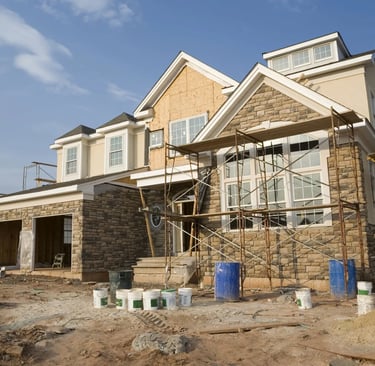
Opening Up a Space Starts With the Right Structural Design
Open-concept layouts are one of the most common goals in residential and commercial remodeling. Homeowners want larger kitchens, wider living rooms, expanded dining areas, and better flow between rooms. Contractors and designers often achieve this by removing or modifying interior walls.
But before any wall is removed, one important question must be answered:
Is the wall load-bearing?
A load-bearing wall supports weight from the roof, ceiling, floor, attic, or upper levels and transfers that load down to the foundation. Removing it without proper engineering can lead to sagging ceilings, cracked drywall, uneven floors, roof movement, structural damage, or unsafe conditions.
At PEI Engineering, we provide structural engineering for load-bearing wall removal, beam design, posts, footings, remodel plans, and permit-ready structural documents. Our goal is to help homeowners, contractors, architects, and designers create open spaces safely, efficiently, and in compliance with local building requirements.
What Is a Load-Bearing Wall?
A load-bearing wall is a wall that carries structural loads from above and transfers them down through the building. These loads may come from:
Roof framing
Ceiling joists
Floor joists
Attic storage loads
Second-floor loads
Beams or headers
Concentrated point loads
Exterior walls above
Mechanical equipment or other building loads
Not every wall is load-bearing. Some walls are partition walls, which only divide rooms and do not support major structural loads. However, it is not always easy to tell the difference by looking at the wall from inside the room.
A wall that appears “small” or “non-important” may still carry roof, ceiling, or floor loads. That is why a structural review is important before demolition begins.
Common Remodel Projects That Involve Load-Bearing Walls
Load-bearing wall removal is common in many remodeling projects, including:
Kitchen remodels
Open-concept living areas
Dining room expansions
Garage conversions
Room additions
Basement remodels
Commercial tenant improvements
Retail and office reconfiguration
Enlarged door or window openings
Creating larger pass-through openings
Combining two rooms into one larger space
In many of these projects, the wall is not simply “removed.” Instead, the structural load must be redirected through a properly designed beam, posts, and support system.
How Structural Engineers Determine If a Wall Is Load-Bearing
A structural engineer evaluates the wall and the surrounding framing to determine how loads are being carried through the building. This process may include reviewing accessible areas such as the attic, crawlspace, basement, floor framing, roof framing, or existing plans.
Important factors include:
Direction of roof rafters or trusses
Direction of ceiling or floor joists
Wall location relative to framing above
Presence of beams, girders, or headers
Foundation or support conditions below
Whether the wall continues above or below
Location of concentrated loads
Existing openings, posts, or bearing points
Age and type of construction
Prior remodels or structural modifications
In some cases, a wall may carry only a portion of the load. In other cases, it may carry significant roof, floor, or upper-level loads. The engineer’s job is to understand the full load path before designing the replacement support.
What Is a Load Path?
A load path is the route that building loads take from the roof or upper floors down to the foundation. Every beam, post, wall, footing, slab, and foundation element plays a role in transferring load safely to the ground.
When a load-bearing wall is removed, the original load path is interrupted. The structural design must create a new load path.
For example:
Roof or floor loads are supported by a new beam.
The beam transfers load to posts at each end.
The posts transfer load down to the floor or foundation.
The foundation or footing must be capable of supporting the new concentrated loads.
A beam alone is not enough. The loads must continue safely all the way down to the foundation.
That is why beam design, post design, and footing review all matter.
Beam Design for Wall Removal
When a load-bearing wall is removed, a beam is often installed to carry the loads previously supported by the wall. The beam may be located below the ceiling, flush with the ceiling, or partially concealed depending on the project goals and construction conditions.
Common beam types include:
LVL Beams
Laminated veneer lumber, often called LVL, is commonly used in residential remodels. LVLs are strong, predictable, and widely available.
PSL Beams
Parallel strand lumber, or PSL, may be used where higher strength or longer spans are needed.
Glulam Beams
Glue-laminated timber beams are sometimes used for exposed architectural conditions or larger spans.
Steel Beams
Steel beams may be required for long spans, heavy loads, limited depth conditions, or commercial projects.
Built-Up Wood Beams
Multiple dimensional lumber members may be combined for smaller spans or lighter loading conditions when appropriate.
The correct beam depends on span length, loads, available depth, ceiling height, deflection limits, architectural goals, and construction feasibility.
Flush Beam vs. Drop Beam
One important design decision is whether the beam will be exposed below the ceiling or hidden within the ceiling framing.
Drop Beam
A drop beam sits below the ceiling line. It is usually easier and less expensive to install because the framing above can often remain more intact. The tradeoff is that the beam remains visible below the ceiling.
Flush Beam
A flush beam is installed within the ceiling or floor framing so the ceiling can remain flat. This is often preferred for open-concept designs, but it may require more demolition, joist hangers, framing modifications, and coordination with electrical, plumbing, or HVAC systems.
A flush beam may look cleaner, but it is often more complex. A structural engineer can help determine what is practical for the project.
Posts and Bearing Points
A beam needs proper support at each end. These supports are usually posts, columns, or built-up framing members. The post size and location depend on the load being transferred.
Common post options include:
Wood posts
Built-up stud packs
LVL or PSL posts
Steel columns
Posts concealed within walls
Exposed architectural posts
One of the most common mistakes in remodel work is focusing only on the beam and ignoring what supports the beam. A beam carrying heavy loads must bear on something capable of transferring that load down through the structure.
If a post lands over an unsupported floor area, crawlspace, basement, or slab that was not designed for that concentrated load, additional support may be needed below.
Footings and Foundation Support
When a wall is removed, loads that were once distributed along a wall may become concentrated at the ends of a beam. These concentrated loads often land at posts.
The foundation or footing below those posts must be reviewed.
Depending on the project, the engineer may need to evaluate:
Existing slab-on-grade conditions
Crawlspace supports
Basement beams or columns
Pier and beam foundation layout
Footing size and location
Soil-bearing assumptions
Existing foundation plans, if available
Whether new footings are required
In some cases, the existing foundation may be adequate. In other cases, new footings, piers, or support posts may be required.
This is especially important for:
Long-span beam installations
Two-story homes
Heavy roof or floor loads
Pier and beam foundations
Older homes
Commercial remodels
Projects where posts land in new locations
A safe design must consider the entire load path from roof to foundation.
Wall Removal in Slab-on-Grade Homes
In a slab-on-grade home, loads are often transferred directly to the concrete slab and underlying soil. When new posts are added, the engineer may need to determine whether the slab can support the concentrated load or whether thickened slab sections, isolated footings, or other support details are needed.
Important considerations include:
Slab thickness
Post location
Load magnitude
Soil support assumptions
Existing cracks or settlement
Whether the wall was originally bearing
Whether the foundation has grade beams or thickened sections
Because existing slab information is not always available, the engineer may need to make practical recommendations based on visible conditions, available drawings, and project requirements.
Wall Removal in Pier and Beam Homes
Pier and beam homes require special attention because loads travel through floor framing, beams, piers, and supports below the house.
When removing a load-bearing wall in a pier and beam structure, the engineer may review:
Floor joist direction
Existing beams and girders
Pier locations
Crawlspace accessibility
Condition of wood members
Moisture or deterioration
Need for new piers or beams
Alignment of new posts with supports below
If a new post does not align with a pier or beam below, additional support may be needed in the crawlspace.
Pier and beam homes can often be modified successfully, but the support below the floor must be part of the design.
Enlarging Openings in Load-Bearing Walls
Not every project requires full wall removal. Sometimes the goal is to enlarge an opening between two rooms or add a wider doorway, window, or pass-through.
These projects may require:
Header sizing
King and jack stud design
Post or column support
Foundation review
Lateral bracing review
Connection details
Permit-ready drawings
Even if part of the wall remains, widening an opening can still affect the structure. The new header or beam must be sized for the loads above.
Load-Bearing Walls and Lateral Bracing
Walls do more than carry vertical loads. Some walls also help resist lateral loads from wind or seismic forces. These walls may act as braced wall lines, shear walls, or parts of the building’s lateral system.
Removing or modifying these walls can affect the building’s ability to resist side-to-side forces.
This is especially important for:
Large open-concept remodels
Exterior wall modifications
Homes in high-wind regions
Large window or door openings
Garage wall modifications
Multi-story homes
Older homes with limited bracing
A structural engineer may need to determine whether additional bracing, hold-downs, shear panels, or other details are required.
MEP Coordination During Wall Removal
Many walls contain more than framing. They may also contain mechanical, electrical, and plumbing systems.
Before removing a wall, the project team should consider whether the wall contains:
Electrical wiring
Light switches
Outlets
Plumbing pipes
Gas piping
HVAC ducts
Return air paths
Low-voltage wiring
Drain or vent piping
Relocating these systems may require additional design coordination, especially for commercial remodels or larger residential renovations.
For example, removing a wall between a kitchen and living room may require electrical circuits to be rerouted, plumbing vents to be relocated, or HVAC ductwork to be modified. These items should be planned early to avoid surprises during construction.
Permit Requirements for Load-Bearing Wall Removal
Many jurisdictions require a permit for structural modifications, including load-bearing wall removal, beam installation, new posts, and foundation changes.
Permit requirements may include:
Structural plans
Beam calculations
Framing details
Post and footing details
PE-stamped drawings
Construction notes
Inspection requirements
Contractor information
Responses to plan reviewer comments
Requirements vary by city, county, and project type. Some projects may require only a structural letter or simple detail. Others may require a full permit-ready plan set.
PEI Engineering prepares structural documentation intended to support the permit review and construction process.
What Is Included in a Wall Removal Engineering Package?
The exact scope depends on the project, but a structural engineering package may include:
Site or plan review
Determination of whether the wall is load-bearing
Beam sizing
Post or column sizing
Header design
Footing or foundation recommendations
Framing details
Connection details
Structural notes
PE-stamped drawings or letter when required
Permit response support when included in the scope
For small residential projects, a concise structural letter or detail may be sufficient. For larger remodels, a more complete plan set may be needed.
Common Mistakes During Load-Bearing Wall Removal
Structural remodels often go wrong when wall removal is treated as simple demolition. Common mistakes include:
Removing the Wall Before Engineering Review
Once the wall is removed, temporary support problems and safety risks can arise. Engineering should be completed before demolition.
Installing an Undersized Beam
A beam that is too small may deflect, sag, crack finishes, or fail to perform properly.
Ignoring the Posts
Even a properly sized beam can create problems if the posts are not adequate.
Ignoring the Foundation
New concentrated loads must be supported. If the foundation cannot carry them, additional footing or support may be needed.
Forgetting About Lateral Bracing
Removing walls can affect the building’s bracing system, especially in large open spaces.
Not Coordinating Utilities
Electrical, plumbing, gas, or HVAC conflicts can delay the project and increase cost.
Skipping the Permit
Unpermitted structural modifications can create problems during resale, appraisal, insurance review, or future remodeling.
What Contractors Need From the Engineer
Contractors need clear, buildable information. A good engineering package should answer practical field questions, such as:
What size beam is required?
Where does the beam go?
What supports the beam?
Are new posts required?
Are new footings required?
What connection details are needed?
Can the beam be flush or exposed?
What demolition limits apply?
Are there special inspection or permit requirements?
Clear drawings and details reduce guesswork and help the contractor price and build the work correctly.
What Homeowners Should Know Before Removing a Wall
Before planning a wall removal project, homeowners should understand that the visible wall is only one part of the structural system. The real issue is how loads move through the home.
Before starting construction, it is helpful to know:
Whether the wall is load-bearing
What type of beam is required
Whether posts will be visible
Whether footings or foundation work are needed
Whether utilities must be relocated
Whether permits are required
Whether the ceiling can be flush
How the work affects the budget and schedule
Early engineering helps prevent surprises and gives the owner a clearer path forward.
Information Needed to Start a Wall Removal Review
To begin the engineering process, it is helpful to provide:
Property address
Photos of the wall and surrounding rooms
Attic, basement, or crawlspace photos if accessible
Existing floor plans, if available
Proposed remodel layout
Wall length or opening width
Number of stories
Foundation type
Roof framing type if known
Any city permit comments
Contractor notes or sketches
The more information provided upfront, the faster the engineer can understand the project scope.
Can a Wall Be Removed Without a Beam?
Sometimes, but only if the wall is confirmed to be non-load-bearing and not part of the lateral system. If the wall carries no structural load and does not contain critical utilities, removal may be straightforward.
However, this should not be assumed. Many walls that look non-structural may still support ceiling framing, attic loads, roof loads, or bracing elements.
A professional review helps determine the correct approach.
Can the Beam Be Hidden in the Ceiling?
Often, yes — but not always.
A flush beam may be possible depending on:
Joist direction
Beam size
Available ceiling depth
Plumbing or HVAC conflicts
Electrical routing
Access for installation
Existing framing layout
Cost and construction complexity
Sometimes a drop beam is more practical. In other cases, a flush beam is worth the additional effort to achieve the desired architectural look.
The best option depends on the project goals and structural conditions.
Residential and Commercial Wall Removal
Load-bearing wall removal is common in homes, but it also occurs in commercial spaces.
Commercial projects may involve:
Office reconfiguration
Retail tenant improvements
Restaurant build-outs
Salon or studio build-outs
Medical office remodels
Storefront modifications
Demising wall changes
Equipment support coordination
Commercial remodels may require more coordination because they often involve building code requirements, accessibility, fire ratings, mechanical systems, electrical loads, and landlord requirements.
PEI Engineering supports both residential and commercial structural modifications.
The Value of Permit-Ready Structural Plans
Permit-ready structural plans help owners and contractors avoid delays by clearly documenting the proposed structural work. They provide plan reviewers with the information needed to evaluate the project and contractors with the information needed to build it.
A permit-ready package may help with:
City review
Contractor pricing
Construction sequencing
Inspection coordination
Reducing field confusion
Documenting code compliance
Supporting resale documentation
For structural remodels, good plans are not just paperwork. They are part of protecting the building and the investment.
PEI Engineering’s Approach to Load-Bearing Wall Removal
At PEI Engineering, we focus on practical structural solutions that are safe, clear, and buildable. Our process is designed to help homeowners, contractors, architects, and designers move from idea to permit-ready documentation.
Our load-bearing wall services may include:
Load-bearing wall evaluation
Beam design
Header design
Post and column sizing
Footing and foundation review
Structural modification drawings
PE-sealed letters or plans
Remodel permit support
Residential and commercial structural design
Whether you are creating an open-concept living space, expanding a kitchen, remodeling a commercial tenant space, or modifying an existing structure, engineering should be part of the plan before construction begins.
Plan the Remodel Before Demolition Starts
Removing a wall can completely transform a space, but it must be done correctly. The safest and most efficient remodels begin with understanding the structure, identifying the load path, designing the right beam and supports, and preparing the necessary permit documents.
A properly engineered wall removal can help prevent structural problems, reduce construction delays, and give contractors clear direction.
Need Engineering for Load-Bearing Wall Removal?
If you are planning a remodel, wall removal, open-concept conversion, large opening, beam replacement, or structural modification, PEI Engineering can help prepare the engineering documents needed for permitting and construction.
PEI Engineering PLLC
Structural • Civil • MEP • Inspections
Phone: 918-600-8798
Website: www.peiengineering.com
FAQ
How do I know if a wall is load-bearing?
A structural engineer can review the framing, wall location, foundation support, attic or crawlspace conditions, and available plans to determine whether the wall is load-bearing.
Can I remove a load-bearing wall if I install a beam?
Often, yes, but the beam must be properly sized and supported. Posts, footings, connections, and the full load path must also be considered.
Do I need a permit to remove a load-bearing wall?
Many jurisdictions require a permit for structural wall removal. Requirements vary by location and project scope, so it is best to verify with the local building department.
What type of beam is best for wall removal?
The best beam depends on the span, load, available depth, ceiling goals, and construction conditions. Common options include LVL, PSL, Glulam, built-up wood, and steel beams.
Can the beam be flush with the ceiling?
A flush beam may be possible, but it depends on framing direction, beam depth, utility conflicts, and construction feasibility.
Do I need new footings for a wall removal?
Sometimes. If the beam creates new concentrated loads at posts, the engineer may need to review whether the existing foundation or floor system can support those loads.
Can PEI Engineering provide a sealed letter or drawings?
Yes. PEI Engineering can provide PE-sealed structural letters, details, or permit-ready drawings where required and where the project is located in a state where our engineers are licensed.
Get in touch
Phone
© 2026. All rights reserved.