
Engineering Plans for New Homes, Additions, ADUs, and Custom Luxury Builds
Learn what engineering plans are required for new homes, additions, ADUs, garage conversions, renovations, and custom luxury builds. PEI Engineering provides permit-ready structural, civil, and MEP engineering plans for residential projects.
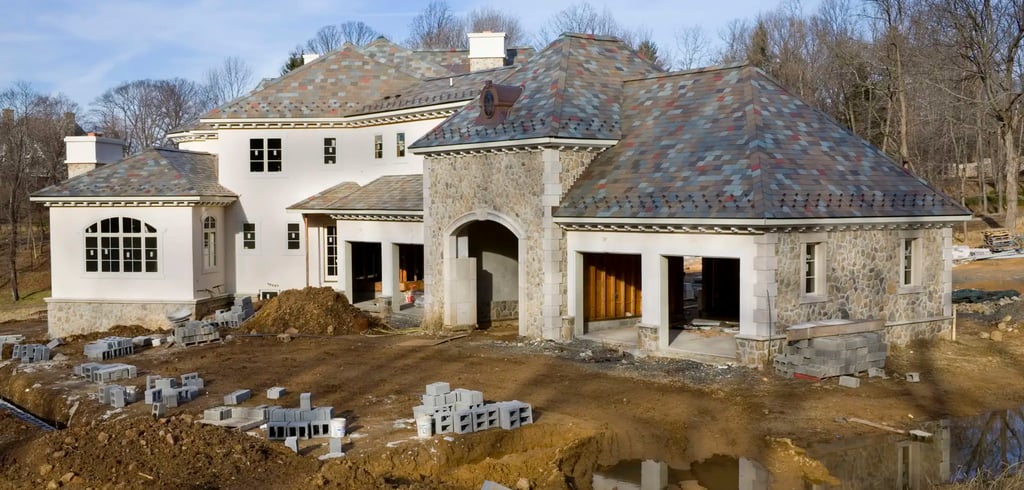
Engineering Is the Backbone of a Successful Residential Project
Whether you are building a new home, adding more living space, converting a garage, designing an ADU, or developing a custom luxury residence, the success of the project depends on more than just the architectural layout. Behind every safe, comfortable, and code-compliant home is a coordinated set of engineering plans.
Residential engineering plans help turn design ideas into permit-ready construction documents. These plans define how the structure will be supported, how mechanical and plumbing systems will operate, how electrical systems will be distributed, and how the project will meet applicable building and energy code requirements.
At PEI Engineering, we provide engineering support for residential projects of all sizes, from simple additions and ADUs to large custom homes and multi-family residential developments. Our goal is to deliver clear, practical, and coordinated engineering plans that help owners, architects, designers, and contractors move efficiently from concept to permit approval and construction.
What Are Residential Engineering Plans?
Residential engineering plans are technical drawings and calculations prepared by licensed Professional Engineers to support the design, permitting, and construction of a residential project.
Depending on the project scope, these plans may include:
Structural foundation plans
Framing plans
Beam, column, and header sizing
Wall bracing or lateral design
Roof and floor framing design
Civil site, grading, and drainage coordination
Mechanical HVAC design
Electrical layouts and load calculations
Plumbing and gas piping design
Energy code compliance documentation
Permit-ready construction details
PE-stamped and sealed drawings where required
Architectural plans show how the home looks and functions. Engineering plans show how the home is safely built, supported, powered, heated, cooled, drained, and serviced.
Both are important, and they must work together.
New Home Engineering Plans
New home construction typically requires engineering to verify that the building is safe, code-compliant, and properly coordinated with the site conditions.
For a new single-family home, engineering may include structural design for the foundation, framing, roof system, beams, posts, and lateral load resistance. Depending on the project location and permitting requirements, civil and MEP engineering may also be required.
Common engineering items for new homes include:
Slab-on-grade or pier and beam foundation design
Roof and floor framing plans
Beam and header sizing
Shear wall or bracing design
Wind and lateral load considerations
Site grading and drainage coordination
HVAC system sizing and layout
Electrical service and panel load calculations
Plumbing and gas piping layouts
Permit-ready engineering drawings
For builders and homeowners, having the engineering completed early helps reduce permit delays, construction conflicts, and costly redesigns during construction.
Engineering for Home Additions
Additions are one of the most common residential projects that require engineering. Even a small addition can affect the existing structure, foundation, roof framing, drainage, and building systems.
A home addition may include:
Bedroom additions
Living room expansions
Kitchen expansions
Second-story additions
Garage additions
Covered patios or enclosed porches
Room extensions
Attached accessory spaces
Engineering is important because the new construction must connect properly to the existing home. The engineer must consider how loads transfer to the foundation, whether existing walls or footings can support new loads, and how the new framing interacts with the old framing.
For example, a second-story addition may require review of the existing foundation, walls, beams, and floor framing to determine whether upgrades are needed. A first-floor addition may require new footings, slab design, roof framing, and structural connection details.
Good engineering helps ensure the addition is not just buildable, but also safe, durable, and permit-ready.
ADU Engineering Plans
An Accessory Dwelling Unit, commonly called an ADU, is a secondary living unit located on the same property as a primary residence. ADUs may be detached, attached, built above a garage, or created by converting existing space.
Common ADU types include:
Detached backyard units
Garage apartments
Basement apartments
Attached in-law suites
Converted garages
Small guest houses
Secondary rental units
ADUs often require engineering because they include structural, mechanical, electrical, plumbing, and sometimes site utility considerations.
Engineering for ADUs may include:
Foundation design
Wall and roof framing
Utility connections
HVAC layout
Electrical service or subpanel design
Plumbing design
Drainage and grading coordination
Energy code compliance
Permit-ready drawings
Because ADUs are smaller, many owners assume the design process is simple. However, ADUs still need to meet applicable residential building codes, zoning requirements, energy requirements, and utility requirements. A properly engineered ADU can help avoid permitting issues and construction problems later.
Garage Conversions and Interior Renovations
Garage conversions and major interior renovations can also require engineering, especially when structural or building system changes are involved.
A garage conversion may involve:
Converting a garage into living space
Adding insulation and conditioned air
Modifying the slab or floor elevation
Adding plumbing for a bathroom or laundry area
Upgrading electrical circuits
Adding windows or doors
Modifying load-bearing walls
Addressing fire separation requirements
Interior renovations may require engineering when walls are removed, beams are added, openings are enlarged, or major systems are relocated.
Examples include:
Open-concept kitchen remodels
Load-bearing wall removal
New large window or door openings
Beam replacement
Structural post relocation
Attic or basement conversion
Major bathroom or kitchen relocation
HVAC, plumbing, or electrical system upgrades
Engineering helps confirm what can be safely modified and what support is required after the changes are made.
Custom and Luxury Home Engineering
Luxury and custom homes often involve more complex engineering than standard residential projects. These homes may include large open spaces, tall ceilings, large windows, long-span beams, complex rooflines, outdoor living areas, pools, retaining walls, and advanced mechanical systems.
Common features in luxury residential projects may include:
Large open-concept spaces
Custom roof framing
Steel or engineered wood beams
Large glass openings
Outdoor kitchens and covered patios
Balconies and elevated decks
Complex foundations
Sloped sites or retaining walls
Large HVAC systems
High-end electrical and lighting systems
Backup generators
Pool equipment and outdoor utilities
These projects require careful coordination between the architect, engineer, builder, and owner. The engineering must support the design vision while still meeting code, structural, energy, and construction requirements.
For custom homes, engineering should not be treated as an afterthought. Early engineering involvement can help protect the design intent, reduce conflicts, and keep the project moving smoothly.
What Is Typically Included in a Residential Engineering Plan Set?
The exact plan set depends on the project scope, but a residential engineering package may include several disciplines.
Structural plans may include:
Foundation plans
Framing plans
Roof framing plans
Beam and header schedules
Column and post details
Footing details
Wall bracing or shear wall details
Connection details
Structural notes and specifications
Engineering calculations when required
Structural engineering is often required for new homes, additions, remodels, wall removals, second-story additions, decks, patios, and custom residential builds.
Civil engineering may be required when the project affects the site, grading, drainage, access, utilities, or stormwater flow.
Civil plans may include:
Site layout
Grading plans
Drainage design
Utility coordination
Driveway and access layout
Stormwater management
Erosion control where required
Civil engineering is especially important for new construction, large additions, sloped lots, drainage-sensitive properties, rural sites, and developments with multiple buildings.
Mechanical engineering focuses on HVAC systems and ventilation.
Mechanical plans may include:
Heating and cooling load calculations
HVAC equipment selection
Duct layout
Ventilation requirements
Exhaust systems
Energy code coordination
Proper HVAC design helps improve comfort, efficiency, and long-term system performance.
Electrical Engineering
Electrical engineering may be required for service sizing, panel layouts, lighting, power, and code compliance.
Electrical plans may include:
Electrical service design
Panel schedules
Load calculations
Lighting layouts
Receptacle layouts
Equipment power connections
Smoke detector and life safety coordination
Grounding and bonding notes
Electrical design is especially important when adding major equipment, expanding living space, adding ADUs, or upgrading service capacity.
Plumbing Engineering
Plumbing engineering may include:
Domestic water piping
Sanitary waste and vent piping
Water heater design
Gas piping
Fixture layouts
Utility connections
Plumbing riser diagrams where required
Plumbing design is often needed for new homes, ADUs, bathroom additions, kitchen remodels, laundry additions, and garage conversions.
When Are PE-Stamped Plans Required?
Permit requirements vary by city, county, state, and project type. Some residential projects may require drawings stamped and sealed by a licensed Professional Engineer. Others may require engineering only for specific components, such as beams, foundations, retaining walls, or unusual framing.
PE-stamped plans may be required for:
New home construction
Multi-family residential projects
Structural modifications
Load-bearing wall removal
Second-story additions
Foundation design
Retaining walls
Large decks or patio covers
ADUs
Garage conversions
Complex roof framing
Commercial-style residential projects
City or plan reviewer comments
Even when stamped plans are not initially required, having engineering completed properly can reduce the risk of redesign, construction delays, or field issues.
Working With Architects, Designers, and Contractors
Residential engineering is most effective when the engineering team works closely with the design and construction team.
Architects and designers develop the layout, appearance, function, and overall design of the home. Engineers support that vision by designing the structural and building systems needed to make it work safely and efficiently.
Contractors rely on clear engineering plans to price the work, coordinate trades, and build the project correctly.
PEI Engineering works with:
Homeowners
Architects
Residential designers
Custom home builders
General contractors
Remodel contractors
Real estate investors
Developers
Permit expediters
Our focus is to provide clear, coordinated, permit-ready engineering documents that help the entire team move forward.
Why Engineering Should Start Early
One of the most common mistakes in residential projects is waiting too long to involve an engineer. When engineering is delayed, problems may appear during permitting or construction.
Early engineering can help identify:
Beam and column requirements
Foundation limitations
Framing conflicts
Utility routing issues
Drainage concerns
HVAC space requirements
Electrical service limitations
Plumbing challenges
Code-related issues
Construction feasibility concerns
Addressing these issues early is usually less expensive than fixing them after plans are submitted or construction has started.
What Information Should You Provide to Start?
To begin residential engineering work, it is helpful to provide as much information as possible.
Useful information includes:
Architectural drawings
Floor plans
Elevations
Site plan or survey
Photos of existing conditions
Property address
City or county jurisdiction
Scope of work description
Existing structural plans, if available
Contractor notes or questions
Permit comments, if already received
Desired construction timeline
For remodels and additions, photos and measurements of the existing structure are often very helpful. For new homes, architectural plans and site information are typically the best starting point.
Permit-Ready Does Not Mean Overcomplicated
Good engineering should be clear, practical, and buildable. The best plan sets are detailed enough for permitting and construction, but not so complicated that they create confusion in the field.
A strong residential engineering package should:
Clearly define the scope
Coordinate with architectural drawings
Show required structural elements
Identify key construction details
Address code-related requirements
Provide practical solutions
Support the permit review process
Help contractors build with confidence
At PEI Engineering, we focus on practical engineering that works in the real world, not just on paper.
Common Residential Projects That Require Engineering
Many residential projects may require engineering support, including:
New single-family homes
Multi-family residential buildings
Custom luxury homes
ADUs
Garage conversions
Home additions
Second-story additions
Major remodels
Load-bearing wall removal
Kitchen expansions
New window or door openings
Decks and balconies
Patio covers and outdoor structures
Retaining walls
Foundation modifications
Structural repair plans
Permit correction responses
If you are unsure whether your project needs engineering, it is better to ask early than to find out during permit review or construction.
Residential Engineering for Projects of Any Size
Not every project is large or complex. Some projects only need a beam design, a foundation detail, or a small plan revision. Other projects require full structural, civil, mechanical, electrical, and plumbing coordination.
PEI Engineering supports residential projects of many sizes, including:
Small remodels
ADUs
Home additions
New builds
Custom homes
Luxury residences
Multi-family projects
Residential investment properties
The same engineering care should be applied whether the project is a simple garage conversion or a large custom home.
Build With Confidence
Residential construction is a major investment. Whether you are building from the ground up, expanding your home, converting existing space, or designing a custom luxury residence, proper engineering helps protect that investment.
Clear engineering plans help reduce uncertainty, support permitting, improve coordination, and provide contractors with the information they need to build safely and correctly.
At PEI Engineering, we provide permit-ready residential engineering plans for new homes, additions, ADUs, garage conversions, remodels, and custom residential projects. Our team works with homeowners, architects, designers, builders, contractors, and developers to deliver practical, code-compliant engineering solutions.
Need Residential Engineering Plans?
If you are planning a new home, addition, ADU, garage conversion, remodel, or custom residential build, PEI Engineering can help prepare the engineering documents needed for permitting and construction.
PEI Engineering PLLC
Structural • Civil • MEP • Inspections
Phone: 918-600-8798
Website: www.peiengineering.com
FAQ
Do I need engineering plans for a home addition?
Many additions require engineering, especially when new foundations, framing, roof connections, beams, or structural modifications are involved. Requirements vary by jurisdiction and project scope.
Do ADUs require engineering?
ADUs often require engineering because they may include new foundations, framing, HVAC, electrical, plumbing, and utility connections. Local permitting requirements will determine the exact scope.
Can PEI Engineering work with my architect or designer?
Yes. PEI Engineering regularly supports architects, designers, builders, and contractors by preparing the engineering portions of the permit and construction documents.
What does permit-ready mean?
Permit-ready means the drawings are prepared with the information typically required for permit review. Final requirements may vary depending on the city, county, and reviewing authority.
Can you provide PE-stamped drawings?
Yes. PEI Engineering can provide stamped and sealed engineering drawings where required and where the project is located in states where our engineers are licensed.
Do luxury homes need more engineering than standard homes?
Often, yes. Custom and luxury homes may include larger spans, complex rooflines, large openings, outdoor structures, retaining walls, advanced systems, and site-specific requirements that need additional engineering coordination.
Get in touch
Phone
© 2026. All rights reserved.